With a chimney in poor condition, the question often comes down to a choice: repair it, or rebuild it? The two are quite different undertakings, and knowing which a stack needs, and why, is central to dealing with it sensibly and economically. Repair means keeping the existing stack and mending its faults. Where a chimney is fundamentally sound but has localised problems, perished pointing, a cracked flaunching, a few spalled bricks, failed flashing, these are put right individually, renewing what has failed while keeping the sound structure. Repair is the lesser, cheaper undertaking, and it is the right course wherever the stack is basically sound. Rebuilding means taking a stack down and building it anew. Where a chimney has decayed beyond the point where patching will serve, its brickwork crumbling, its structure loose or leaning, its faults too widespread to mend piecemeal, rebuilding, taking it down to a sound level and rebuilding in matching materials, is the sounder course. It is the greater undertaking, reserved for stacks genuinely past repair. The threshold between the two turns on how far the decay has gone. A stack with sound bones and surface faults is repaired; one whose fabric itself is failing is rebuilt, and the judgement of which is which, made honestly, is what determines the right, and the economical, course. Repairing a stack that is truly past it merely delays the rebuild; rebuilding one that could have been repaired is needless expense. There is often a middle way, too. Sometimes only part of a stack is past repair, the decayed upper section, say, while the lower part is sound, so a partial rebuild, renewing the failed portion while keeping the good, is the proportionate answer. Matching the extent of the work to the extent of the decay is the essence of getting it right. It is worth stressing why an honest judgement here matters so much to a homeowner’s pocket, since the two options can differ greatly in cost. A repair may be a modest job; a rebuild is a substantial one, so being told a stack needs the latter when the former would serve, or the reverse, has real financial consequences either way. Overcaution that rebuilds a repairable stack wastes money; false economy that repairs an unsound one wastes it differently, in a patch that soon fails and a rebuild still to come. This is exactly why the judgement should rest on the true state of the fabric rather than on habit or on what pays best, and why a homeowner is right to want a clear explanation of why a given stack falls on one side of the line or the other. The reasoning behind the recommendation is as worth having as the recommendation itself. For a homeowner in Sicklesmere with a chimney in poor condition, the point is that repair and rebuild are different answers to different degrees of decay, and the right choice depends on an honest judgement of the stack’s real state. A sound chimney with surface faults is repaired; one whose fabric has failed is rebuilt; and many fall between, needing a proportionate mix. Getting that judgement right is what keeps the work, and the cost, no more and no less than the stack actually requires.
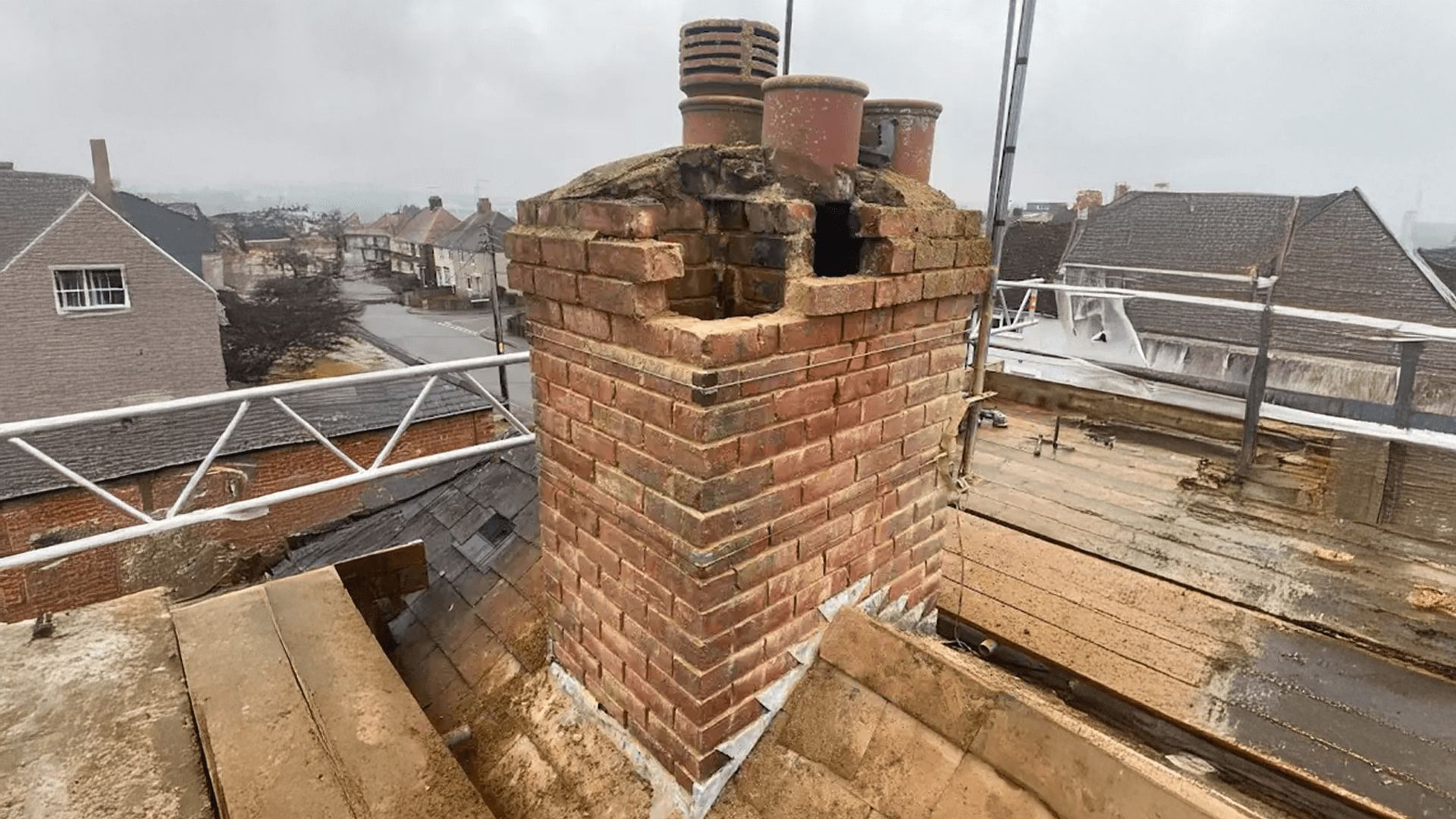
There is money to be made in rebuilding a chimney that only needed repairing, and it is exactly the sort of thing an honest firm refuses to do. Recommending the lesser work where it will serve, rather than the greater where it will pay, is a plain test of whether a contractor is on the customer’s side, and one worth applying. Recommending only what a stack genuinely needs is how High Pitch Roofing approaches this in Sicklesmere. Where a chimney can soundly be repaired, that is what is advised, even though a rebuild would be more lucrative, because the honest course is to match the work to the stack’s real condition, not to the size of the invoice. Repair where repair will serve is the rule. This depends on an honest judgement of the stack’s state. Deciding whether a chimney is genuinely past repair, or merely in need of mending, is exactly the judgement a homeowner cannot easily make for themselves, so they are relying on the contractor’s honesty in making it, and a firm that calls a repairable stack repairable, rather than condemning it to a rebuild, is one whose word can be trusted. Honest assessment is the whole of it. Equally, it means being straight when a rebuild really is needed. Where a stack is genuinely past repair, saying so plainly, rather than patching it to postpone the inevitable, is as much a part of honest advice as recommending repair where repair will serve. The point is accuracy, not always the cheaper option. There is a long view behind the honesty, as ever. A homeowner steered to a sound repair rather than a needless rebuild is a satisfied customer who trusts and recommends the firm, so honesty about repair versus rebuild serves the firm as well as the customer in the end. Doing right and doing well align once more. There is a particular temptation a rebuild presents that repair does not, which is why the honesty is worth stressing. A rebuild is a large, clean job, easy to quote and lucrative to do, whereas a careful repair is fiddlier and less profitable, so the pull towards recommending a rebuild is real, and resisting it where repair would serve takes a deliberate commitment to the customer’s interest over the firm’s. That resistance is exactly what a homeowner is trusting when they ask which their stack needs. Equally, honesty means not talking a homeowner out of a rebuild they genuinely need in order to seem economical. Where a stack really is past repair, saying so, even though it means the larger, more expensive job, is the true and responsible answer, and shrinking from it to appear cheap would serve the homeowner no better than over-recommending. Accuracy in both directions is the whole of honest advice. For a homeowner in Sicklesmere with a chimney in poor condition, a contractor honest about whether it needs repair or rebuild, and recommending only what the stack genuinely requires, is exactly the impartial adviser such a decision calls for. Combined with skilled work and a guarantee, that honesty about the scale of the work is a large part of what keeps the cost no more than the chimney actually warrants.

Four decades of refined craftsmanship and industry knowledge, ensuring your chimney is in the safest possible hands.
Our dedicated team in Sicklesmere is committed to traditional values, direct communication and integrity in every quote.
We believe in making your chimney repair as straightforward and stress-free as possible. From your initial enquiry to the final inspection, our family-run team ensures clear communication, professional conduct, and a high standard of safety, keeping you informed at every stage of the build.
We begin with a thorough inspection of your chimney conducted by an experienced tradesman, not a salesman.
Once the project is approved, our skilled team carries out the work using high-quality materials and proven techniques.
Upon completion, we conduct a rigorous walkthrough to ensure every detail meets our 40-year standards of excellence.
We know that chimney repair options are a big decision. Here are the answers to the most common questions we receive regarding chimney repairs in Sicklesmere.
Flashing is the lead detailing that seals the junction where the chimney meets the roof, and it’s one of the most common leak points on any property. It should be replaced when the lead cracks, lifts, or corrodes, as a worn seal will let water track into the roof and down into your home.
Both protect the top of the flue, but a cap typically seals or covers an unused chimney while still allowing ventilation, whereas a cowl sits over an active flue to improve draught and keep out rain and birds. We can advise which is right depending on whether your chimney is still in use.
Yes, we provide chimney maintenance and repairs across Sicklesmere and the wider region. As a local, family-run team we cover the surrounding areas and are happy to arrange a site visit to assess your chimney. Get in touch through the contact form or call us to book yours.
Every quote comes from an experienced roofer, never a salesman. This means the assessment of your chimney is technically accurate and the price reflects the actual work needed. Call us or complete the contact form and one of our roofers will be in touch to arrange an inspection.
Ready to repair your chimney? Fill out the form below to arrange a site visit. One of our experienced chimney experts will provide a thorough inspection and a detailed, no-obligation quote tailored to your specific project requirements.
Your chimney is exposed to the elements every day of the year, making it one of the most vulnerable parts of any property. While it’s easy to overlook, even minor chimney damage can quickly develop into costly structural problems if left untreated. Whether you’ve spotted loose bricks, cracked mortar, damp patches, or a leaning chimney stack, arranging professional chimney repair as soon as possible can help protect both your home and your investment.
If you’ve been searching for chimney repair near me, chances are you’ve already noticed signs that something isn’t right. A trusted chimney repair company can inspect the structure, identify the root cause of the problem, and recommend the most effective chimney repair service before the damage becomes more extensive.
Chimneys face constant exposure to rain, frost, wind, temperature changes, and pollution. Over time, these conditions naturally weaken brickwork and mortar joints, allowing moisture to penetrate the structure. Once water enters the chimney, deterioration often accelerates.
Properties in Sicklesmere, particularly older homes, are especially prone to weather-related wear. Regular maintenance and timely chimney repair services help prevent small defects from turning into major structural repairs.
Water penetration is one of the leading causes of chimney deterioration. If moisture is entering your property through damaged flashing, cracked masonry, or a failing chimney crown, you’ll likely require a leaking chimney repair. Professional solutions may include:
Chimney flashing repair
Chimney flashing leak repair
Chimney leak repair
Waterproofing damaged brickwork
Left untreated, water ingress can lead to internal damp, mould growth, and weakened masonry.
Another frequent issue is deteriorating mortar. As mortar ages, it begins to crumble, allowing bricks to loosen and creating pathways for water. Repairs often involve:
Chimney mortar repair
Chimney masonry repair
Chimney repointing
Chimney tuckpointing
Where bricks have become damaged or unstable, brick chimney repair or chimney brick replacement restores both appearance and structural integrity.
For severely deteriorated stacks, larger projects such as chimney rebuilding, chimney reconstruction, or complete chimney restoration may be the safest long-term solution.
Visible cracks should never be ignored. Even hairline fractures can allow moisture into the chimney, gradually worsening during freeze-thaw cycles. Depending on the severity, repairs may include:
Chimney crack repair
Cracked chimney repair
Structural masonry repairs
If a chimney begins leaning or moving away from the building, immediate attention is essential. A leaning chimney repair often involves stabilising the structure before rebuilding damaged sections.
Similarly, chimney settling repair may be required where movement in the property’s foundations has affected the chimney stack. These types of structural issues should always be assessed by an experienced chimney repair specialist.
The upper section of a chimney receives the greatest exposure to the weather, making it particularly susceptible to damage.
A damaged crown allows rainwater directly into the chimney structure, often requiring:
Chimney crown repair
Cracked chimney crown repair
Chimney crown replacement
Likewise, damaged chimney caps should be repaired promptly to prevent rain, birds, and debris entering the flue. Common services include:
Chimney cap repair
Chimney cap replacement
Chimney cap leak repair
Some properties use chase covers rather than traditional caps, in which case chimney chase cover repair or chimney chase cover replacement may be necessary.
Water remains one of the biggest threats to any chimney. Even sound brickwork absorbs moisture over time, which is why many homeowners choose professional chimney waterproofing.
A breathable chimney waterproof sealant helps reduce water absorption while allowing trapped moisture to escape naturally. Where water has already caused damage, repairs such as chimney water damage repair or chimney moisture repair should be completed before waterproofing is applied.
Not every chimney problem is visible from outside the property. Internal components are equally important for safe operation.
Damaged dampers can reduce airflow and heating efficiency, making chimney damper repair or chimney damper replacement necessary.
Similarly, damaged liners can create serious safety concerns. Professional contractors can carry out:
Chimney liner repair
Chimney liner replacement
These repairs help maintain safe ventilation while improving the overall performance of the chimney.
Some chimney problems require immediate attention. Storm damage, collapsing brickwork, major leaks, or significant structural movement should never be left unattended.
An emergency chimney repair service can quickly stabilise the structure, preventing additional damage and reducing repair costs. Many companies also offer same day chimney repair for urgent situations where safety is a concern.
Acting quickly often prevents a relatively straightforward repair from becoming a complete rebuild.
Routine inspections remain one of the most effective ways to protect your chimney and avoid expensive repairs.
A professional chimney inspection and repair service can identify early signs of deterioration long before they become visible from the ground. Small repairs carried out early are typically far more affordable than extensive structural restoration later.
Whether you need affordable chimney repair for minor maintenance or a full reconstruction, regular inspections help extend the lifespan of your chimney and keep your property safe.
Chimney problems rarely improve on their own. Small cracks become larger, moisture spreads through the masonry, and loose bricks can eventually become a safety hazard.
Whether your property requires chimney repointing, chimney flashing repair, chimney crown replacement, chimney rebuilding, or complete chimney reconstruction, addressing problems early is always the most cost-effective approach.
If you’ve noticed any signs of damage or simply want peace of mind, arranging a professional chimney inspection is a sensible investment. An experienced chimney repair specialist in Sicklesmere can assess the condition of your chimney, recommend the most appropriate repairs, and help protect your property for many years to come.
WhatsApp us